
The Week Three Wobble: This Is What Progress Looks Like
Week three is when the honeymoon ends
We're seven school days in. If things are still humming along at your house — mornings running, backpack packed, nobody crying in the hallway — wonderful. Enjoy it.
And if this week got a little bumpy, I want to tell you something before you spend the weekend worrying about it: nothing has gone wrong.
You know the signs. The kid who bounced out the door on September 10th is suddenly glued to the bottom stair. The one who said school was "good" every day now has nothing to say at all. Homework takes an hour longer than it should. Bedtime turns into a negotiation. Somebody who has been perfectly cheerful since June gets genuinely upset at 4:15 on a Tuesday, over a granola bar.
Every year, right about now, I get the same phone call. Did we pick the wrong school? Is she behind? Should I call the teacher?
And almost every year the answer is the same. This is normal. It's temporary. And honestly? It's a good sign.
What's actually going on
Two things, and neither one is your kid being difficult on purpose.
First, the new wore off. For a week or two everything was interesting — new teacher, new classroom, new cubby, who's in my class this year. Novelty was doing an enormous amount of work and your child had no idea. Now what's left is the actual job: sit still, follow directions, read the room, manage twenty-five other people's moods, six and a half hours a day. That's a lot. That would wear me out, and I'm a grown woman with coffee.
Second — and this is the part I love — holding it together all day costs something, and they spend what's left on you. Your child has been regulating themselves for other adults since 8:30 in the morning. Polite. Quiet. Flexible. Letting a hundred small frustrations go by, because that's what the room requires. Then they spot you, and it all comes out.
That's not bad behavior. That's your kid telling you you're the safe one. Take it as a compliment, even at 4:15 on a Tuesday.
The calendar is a factor this year too. Monday is Yom Kippur, so week three is a four-day week, and the routine gets interrupted right as it was starting to set. If next week feels a bit like starting over, that's why — and it sorts itself out faster than you'd think.
The hard part is yours, not theirs
Here's where I'd ask you to sit on your hands for a minute.
Your child comes home flat, and every cell in your body says do something. Email the teacher. Ask for a seat change. Call the other mom. Anything to make it stop, because watching your kid struggle is no fun at all and you are built to end it.
But discomfort isn't damage. A kid who's a little miserable in week three is a kid doing something hard for the first time since June, and the land of uncomfortable is where all the good stuff happens. I say it constantly because it's constantly true. If we swoop in and smooth it over, we haven't removed the hard thing — we've removed our child from it, and taken the win home with us. A success you engineered isn't one they get to keep.
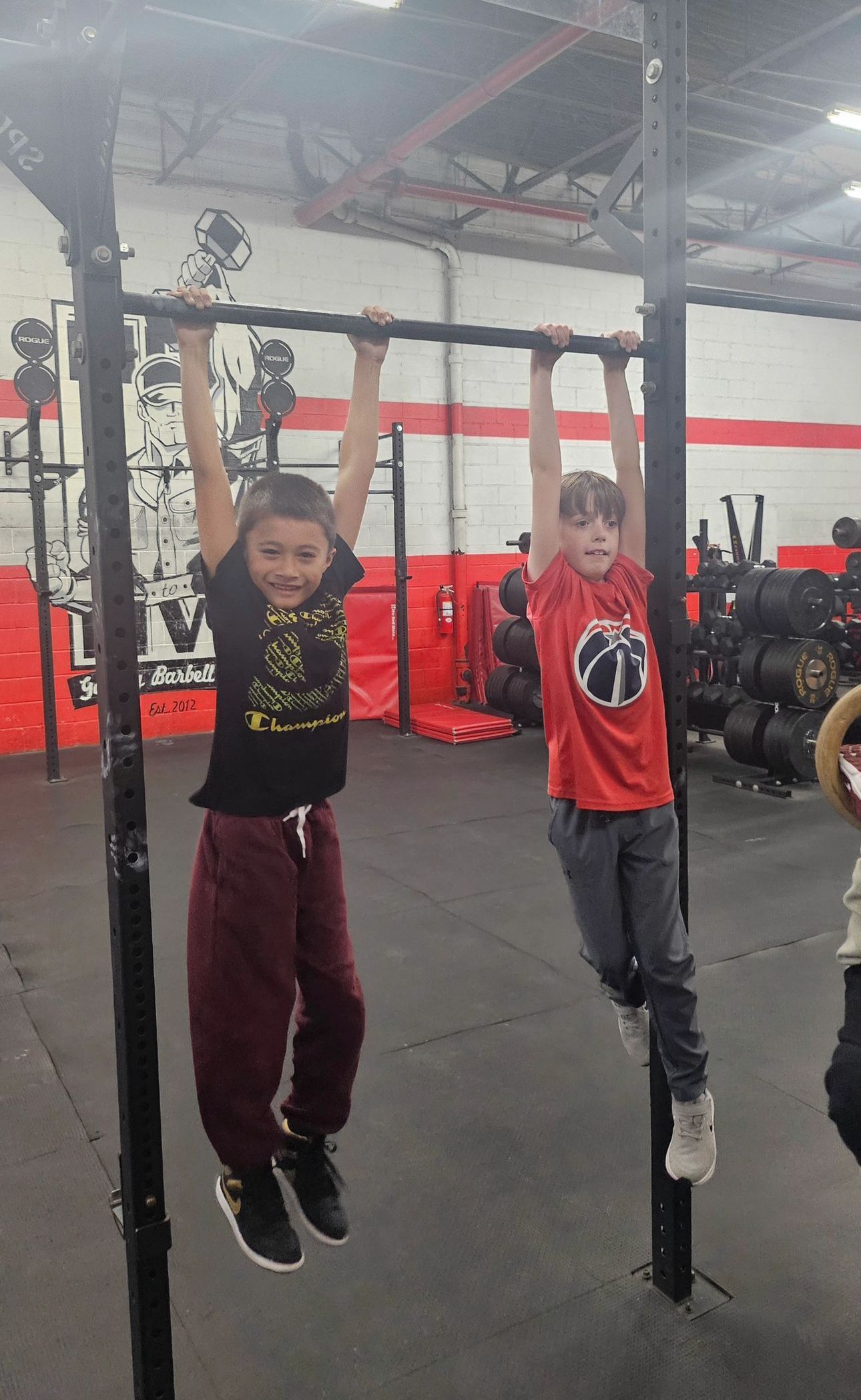
Here's what we do at the gym when a kid brings me a problem. I don't hand over a solution. First I say the feeling out loud: wow, you're really upset about that, aren't you? Then I ask what THEY said. About nine times out of ten the answer is "nothing." So I give them the words — if someone did that to me, I'd tell them I didn't like it and don't do it again — and I send them back to go say it themselves.
And they handle it. Then I get to say, "Sounds like you handled it. Nice work. Anything you need from me?"
You should see how tall a kid stands after that. Taller than if I'd marched over and fixed it. Every time.
Sitting outside the arena is hard. Do it anyway. The job is to get them in it.
So what do I actually do?
Good news. Mostly less.
Add nothing. No new activity, no tutor, no enrichment class, no big weekend plans. What you've already got is the hardest thing your child has done since June. Let it be the only thing.
Protect the walk home. That walk isn't dead time. It's the seam between school and everything after, and kids need it to reboot. Walk it if you can, go slow, and don't fill it with questions about their day. It's okay to slow your life down to a child's pace.
Ask a better question. "How was school?" will get you "fine" from now until June. Try: what was the silliest thing that happened today? Who'd you sit with at lunch? What was the most boring part? At dinner, play high-low — everybody gives one of each, grown-ups included.
Move first, work second. In August our kids were outside for hours. Now they sit all day, and then we ask them to sit some more and do homework. Movement first, outside if you can possibly manage it. Everything after that gets easier. I promise.
Keep the jobs handed over. Back in August you handed over the backpack, the lunch, the water bottle. Right about now, when everybody's tired and you could do it in ninety seconds, it's tempting to take it all back. Hang on to it. Yes, they'll do it worse than you. That's fine.
Be boring on purpose. Quiet evenings, nothing to rise to. Boring is restorative right now.
Parent hack: before you step into anything — a squabble, a homework meltdown, a shoe that won't tie — let them give it three quality tries first. Three. Then you can help.
And if it's something more
None of this means ignore your kid, obviously. It means give the dip a couple of weeks before you treat it as a problem.
Check back in if it hasn't lifted by mid-October, or if you're seeing stomachaches that show up on school mornings and disappear on Saturday, or if they're avoiding one particular person, class, or part of the day rather than school in general. And keep an eye on the quiet one, since going quiet can look an awful lot like coping.
If any of that's you, call the teacher — and I do mean call. Tone doesn't survive email. A five-minute phone call will sort out what a ten-message thread never does.
Otherwise, hold steady. Keep the evenings dull, hand over more than feels comfortable, and let them wobble a little. That's how anybody learns to balance.
Do good and keep your head up.

Michele Kelber is the founder of Gantry Kids & Teens in Long Island City and the author of How Not to Ruin Your Kids: A Practical Guide to Raising Happy, Independent, Equipped Children. Our after-school program picks up where the school day leaves off — outdoor time, movement, and unstructured play, from two to five days a week. Learn more about after-school at Gantry Kids or get in touch with questions about fall enrollment.