
The Ten-Day Runway: Using NYC's Late Start to Your Advantage
School doesn't start until Thursday, September 10 this year — one of the latest first days New York City families have had in a while. September opened on a Tuesday, so the traditional "Thursday after Labor Day" landed deep into the month.
Most parents I talk to have one of two reactions. Either thank God, I need the extra week, or how am I supposed to fill ten more days?
I'd offer a third: you've been handed a runway. Most years, families cram the entire back-to-school reset into Labor Day weekend — new sleep schedule, new shoes, new routine, new everything, all in seventy-two hours. This year you don't have to. You have a week and a half to do it gradually, which is the only way it actually works.
The risk isn't that you'll run out of time. The risk is drift — that September 9th arrives and nothing has changed since August.
So here's how I'd spend the runway.
Now through the weekend: fix the wake-up, not the bedtime
Start here, because sleep is the thing that takes the longest and the thing everything else depends on.
The instinct is to announce an earlier bedtime. That almost never works. You cannot make a child fall asleep, and a kid lying in a dark room at 8pm who isn't tired yet is just a kid learning to dread bedtime.
What you can control is when they get up. Pediatric sleep specialists recommend waking your child about fifteen minutes earlier than their summer wake time, then moving it another fifteen minutes every few days until you land on the school-morning time. Bedtime follows on its own, because a kid who got up earlier is genuinely tired earlier. You're not negotiating — you're just adjusting the input.
Pair it with light. Get them outside, or at least into a sunny window, within a few minutes of waking. Bright light in the morning is the strongest signal the body has that the day has started, and it does more to shift a sleep schedule than any amount of reasoning at 9pm.
Do the math backward from September 10. If your child needs to be up at 6:45 and they've been sleeping until 9:00, that's more than two hours to recover — about right for seven days at fifteen-minute increments. Elementary-age kids need nine to twelve hours a night; middle and high schoolers need eight to ten. Almost no child in New York City is getting that in the first week of school, and it shows up in everything from morning meltdowns to how they behave in my gym at 4pm.
One more thing: move your own wake time too. You're the one who has to be functional at 6:45, and kids read your state before they read your instructions.
Labor Day weekend: the dress rehearsal
By the long weekend, sleep should be most of the way there. Now run the day.
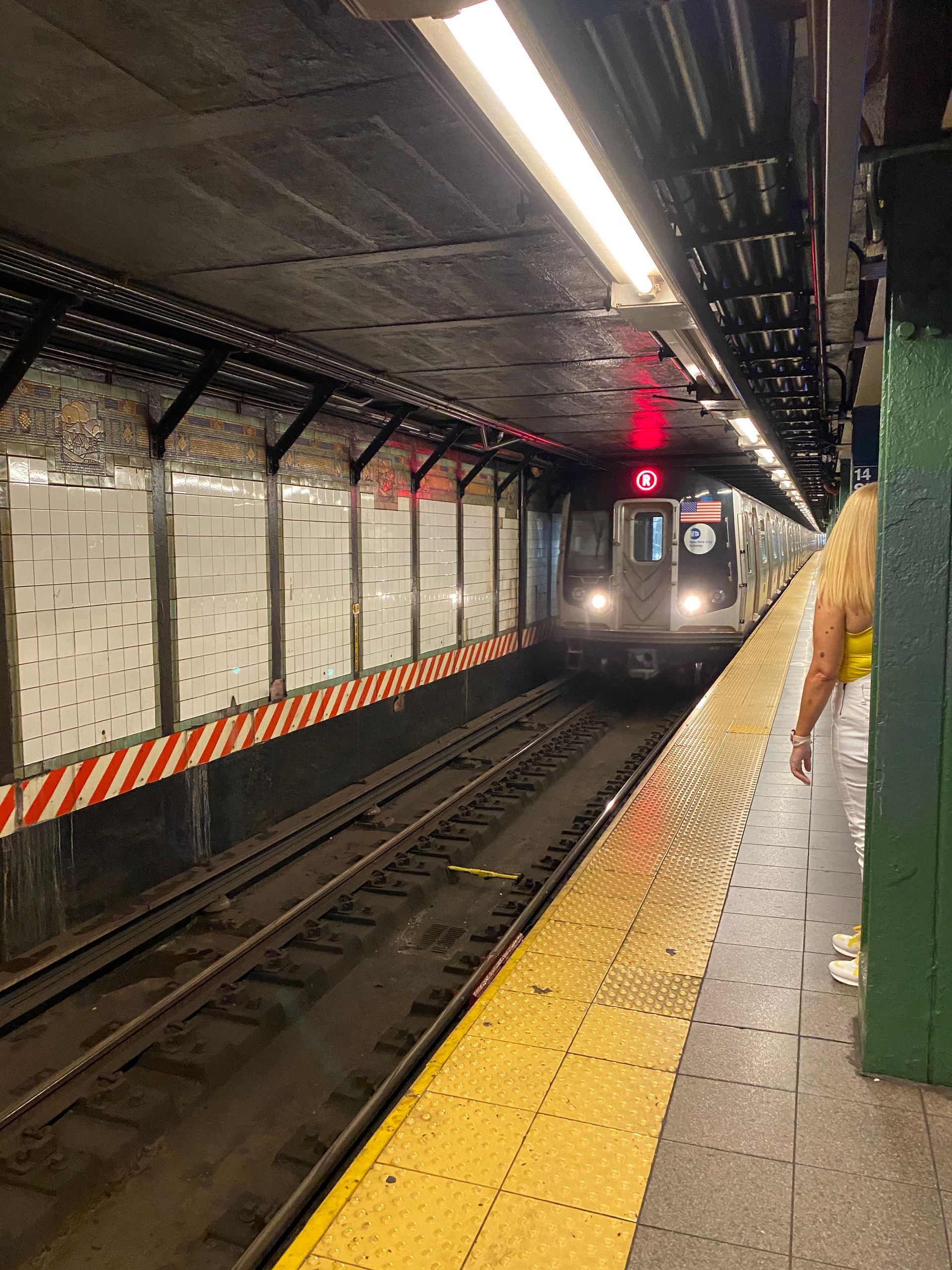
Walk or ride the actual route to school. Not a drive-by — the real thing, at the real time, with the backpack on. If your child is taking public transportation for the first time this year, do it together three or four times before they do it alone, and let them lead: they swipe, they choose the platform, they tell you which stop is next. Standing back and letting a kid make a small navigational mistake in your presence is worth more than twenty minutes of instructions. (I wrote more about helping kids through transitions a couple of years back, and the principle hasn't changed: rehearse the hard thing before it counts.)
Then hand over the pieces you've been carrying all summer. This is the part of back-to-school prep I care about most, and it has almost nothing to do with supplies.
A child who is old enough to be in second grade is old enough to pack their own backpack. A ten-year-old can make their own lunch, badly, on a Sunday night. A middle schooler can be responsible for knowing where their MetroCard is. You will be tempted to fix all of it, because you can do it faster and better, and because a forgotten water bottle feels like a small failure of parenting.
It isn't. It's a lesson delivered at zero cost, in week one, when the stakes are a warm sandwich instead of a missed deadline. Every task you hand over now is one your child owns for the rest of the year — and one you're not doing at 7am in October.
Let them make real choices in the preparation, too. Which of these two backpacks. Which folder for math. What goes in the lunch, within reason. Kids have very little say over the shape of their own day in September; the preparation is one of the few places they can put a thumbprint on it. That ownership is what carries them through the first hard week.
Tuesday and Wednesday: do less
The forty-eight hours before the first day should be the quietest of the whole stretch.
No new activities. No last-minute enrichment. No big outings, no houseguests, no "one last summer thing." Lay out clothes the night before. Pack the bag before dinner, not in the morning. Keep Wednesday evening boring on purpose.
Anxiety on the first day is not usually about school. It's about the pile-up — new shoes, new route, new teacher, new schedule, and a parent who is visibly stressed about all of it. You can remove three of those variables for free by having handled them already, and you can remove the fourth by managing your own nerves somewhere other than in front of your kid.
If your child is worried, let them be worried. "You're going to love it!" is a well-meant sentence that tells a nervous eight-year-old their feeling is wrong. "Yeah, first days are hard. What part are you thinking about?" tells them the feeling is normal and survivable — which is the thing they actually need to hear.
And then: protect the movement
Here's what happens after September 10, every single year. Physical activity falls off a cliff.
Summer for most of our kids is outdoor time, playgrounds, swimming, running around unsupervised for hours. The school year is sitting, then sitting on the way home, then homework. The drop is enormous, and it arrives in the same two weeks as the hardest cognitive and social demands of the year. Then we wonder why everyone is dysregulated by October.
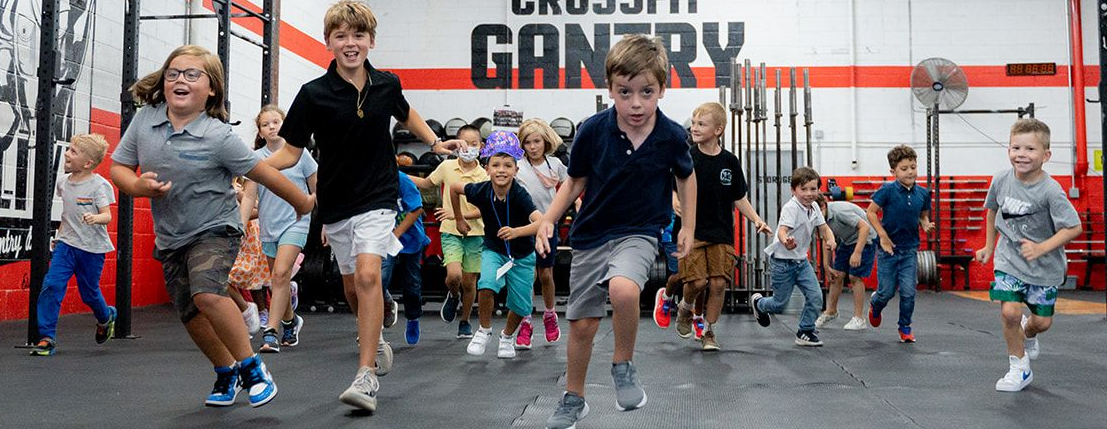
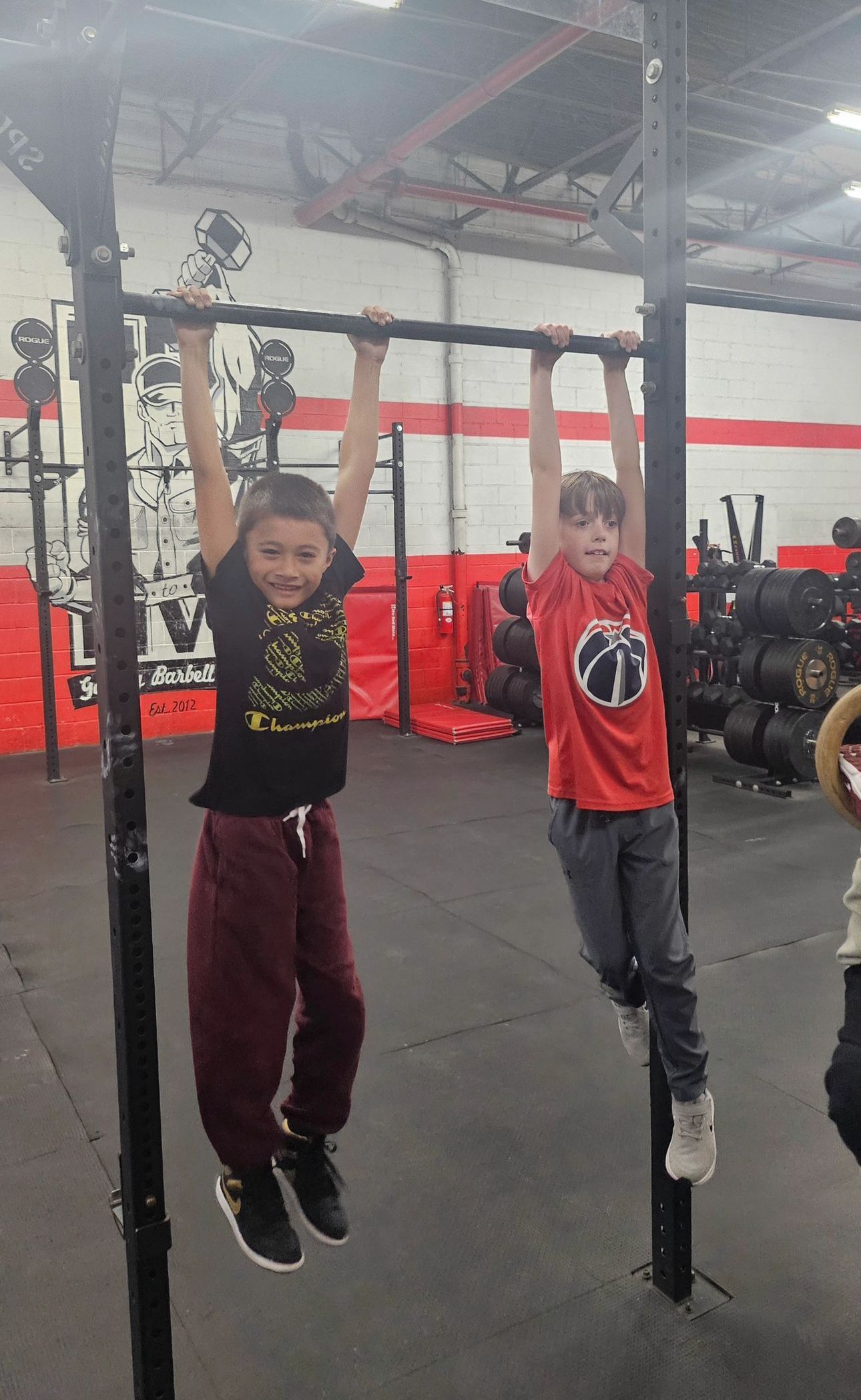
So as you build the fall schedule, treat movement and unstructured play as non-negotiable rather than as the thing that gets cut when the calendar tightens. Not another structured class where an adult tells them exactly what to do — kids get seven hours of that already. Real physical activity, outdoor time, and stretches of play they get to run themselves. That's the balance we build our after-school program around, and it's the reason kids leave here in better shape than they arrived.
Ten days is genuinely enough. Use them slowly, hand over more than feels comfortable, and let September 10 be an ordinary Thursday.
Michele Kelber is the founder of Gantry Kids & Teens in Long Island City and the author of How Not to Ruin Your Kids: The Parents Playbook to Raising Happy, Independent Kids in the Modern World. Our after-school program picks up where the school day leaves off — outdoor time, movement, and unstructured play, five days a week. Learn more about after-school at Gantry Kids or get in touch with questions about fall enrollment.