
It Takes a Team: Home, School, and After-School on the Same Page
NOBODY RAISES A KID ALONE
Your child spends about six and a half hours a day with their teachers. Then a few more with us. Then the rest of it with you. That's three sets of adults, three sets of rules, and three places where a kid is figuring out who they are.
When those three places are on the same page, kids thrive. When they're not, kids notice. Fast. And they will absolutely use it.
I've been doing this a long time, and I can tell you that the families who have the smoothest years aren't the ones with the "easiest" kids. They're the ones where the grown-ups talk to each other and back each other up. It's a partnership. Not a handoff.
Consistency is the whole game
So much of parenting, and life in general, is consistency. It's not that we have to know the perfect thing to do in every situation. It's that we respond the same way, every time, in every place.
Kids are always going to test you. That's their job. If hitting gets a consequence at school, a shrug at pickup, and a "well, he was tired" at home, what did your child learn? That the rule depends on who's in charge. So they'll go shopping for the softest adult in the room. Every time.
Now flip it. The teacher says "we use our words." At the gym, a coach asks, "What did you say to him?" At home, you ask the same thing. Same expectation, three voices. That's not nagging. That's a kid hearing one clear message from every direction, and that clarity is what makes them feel safe.
Kids don't need us to be their friends. They need a safe space, clear expectations, and grown-ups who show up the same way tomorrow as they did today. Stay the course, especially on the little things. The little things are where the boundaries actually get built.
Accountability goes both ways
Here's where I see well-meaning adults trip up. We get really good at holding kids accountable for the bad stuff and really lazy about the good stuff.
Accountability isn't punishment. It's simply connecting a child to the result of what they did. All of it.
When it's bad: Your kid knocked over someone's block tower. The repair isn't a lecture. It's helping rebuild it and saying sorry to the friend's face. They left the water bottle at school? They're thirsty at practice. That's a natural consequence, and it teaches more than any speech you'll give in the car. Please don't drive it over. (I know. I know.)
When it's good: Name it, specifically. Not "good job." Try "You waited for your turn on the rope even though you really wanted it. That was hard, and you did it." Kids need to own their wins just as much as their mistakes. If we only ever point out what went wrong, we're teaching them that the only way to get our attention is to mess up.
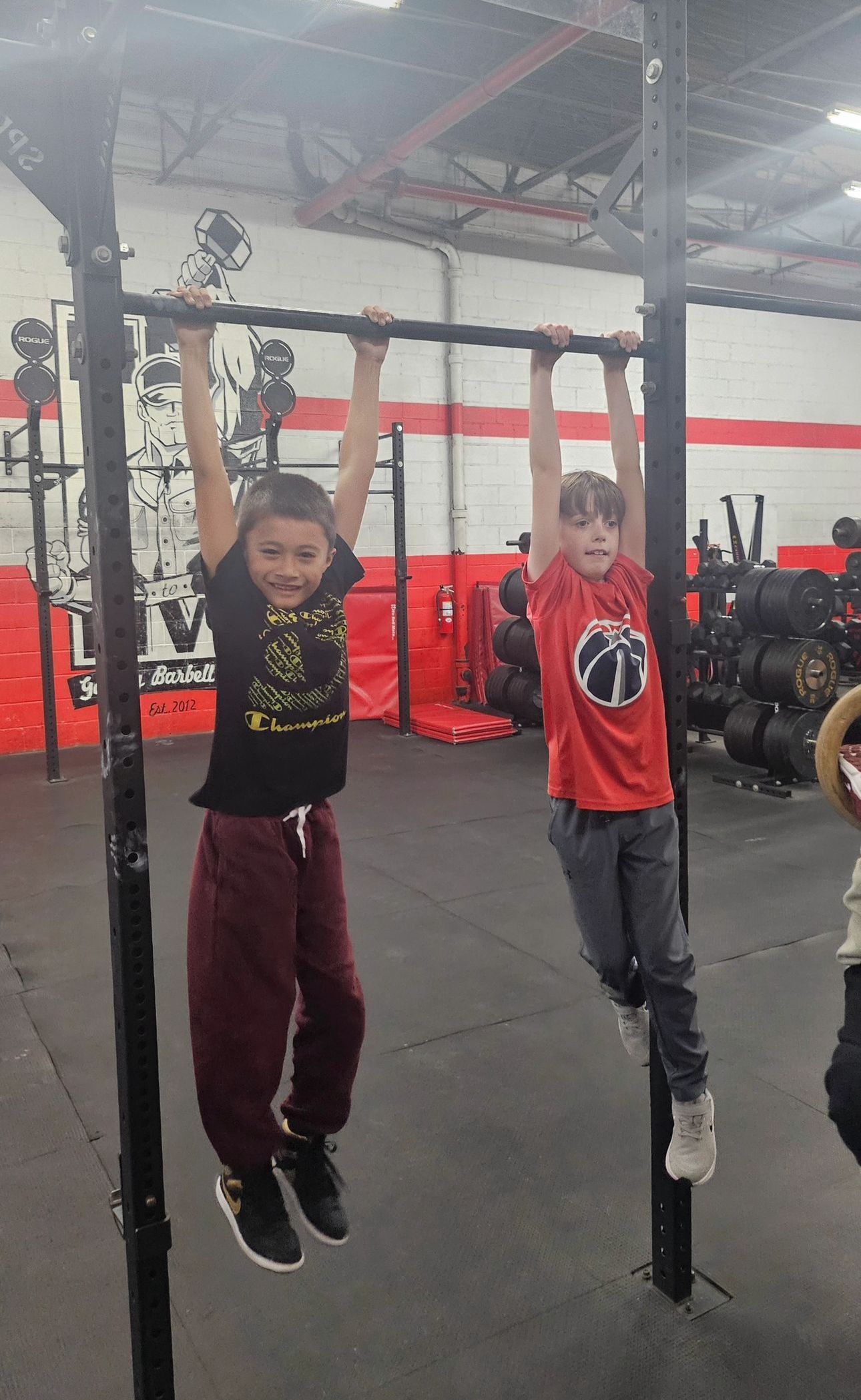
At the gym, kids clean up their own messes, carry their own backpacks, and get real jobs that matter to the group. When they do it well, we tell them. When they don't, they do it again. Same rule, every kid, every day. They figure out pretty quickly that they matter here, and that what they do matters too.
And when school sends home a note, good or bad, that's the moment for all three of us to say the same thing. One consequence. One celebration. Not three different stories.
Check on the quiet ones
This one's personal for me.
I was a "because you said so" kid. I sat down the first time I was asked. I followed directions. And then I waited, and waited, while the louder kids kept playing and got all the redirecting, all the eye contact, all the adult energy. A lot of the time, being "good" felt more like a punishment than an achievement.
The noisy kids get our attention because they demand it. The quiet ones don't ask, so we assume they're fine. Content. Easy.
Sometimes they are. And sometimes they're screaming inside for your love and attention and have no idea how to say so.
This is where the partnership really pays off. A teacher might notice your child eating lunch alone. A coach might notice they've stopped joining the game of tag on the walk back from school. You might notice they're "fine" every single day, with no details. None of us sees the whole picture alone. Together, we do.
So make a point to check in on your quiet kid. Ask the teacher and the after-school staff, "How's she doing socially? Who does she play with?" And when they come to you with something, believe them. Going quiet can look an awful lot like coping.
Why we keep it old school
Kids spend most of their school day sitting. Then many after-school programs keep them inside, at a table, for another three hours. And we wonder why they're bouncing off the walls at bedtime.
At Gantry Kids, our programs throw it back, old school. On purpose.
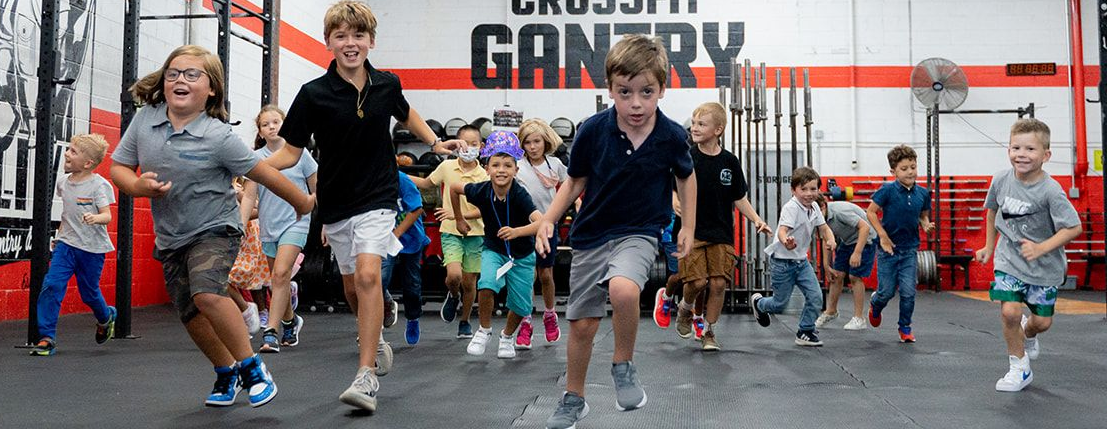
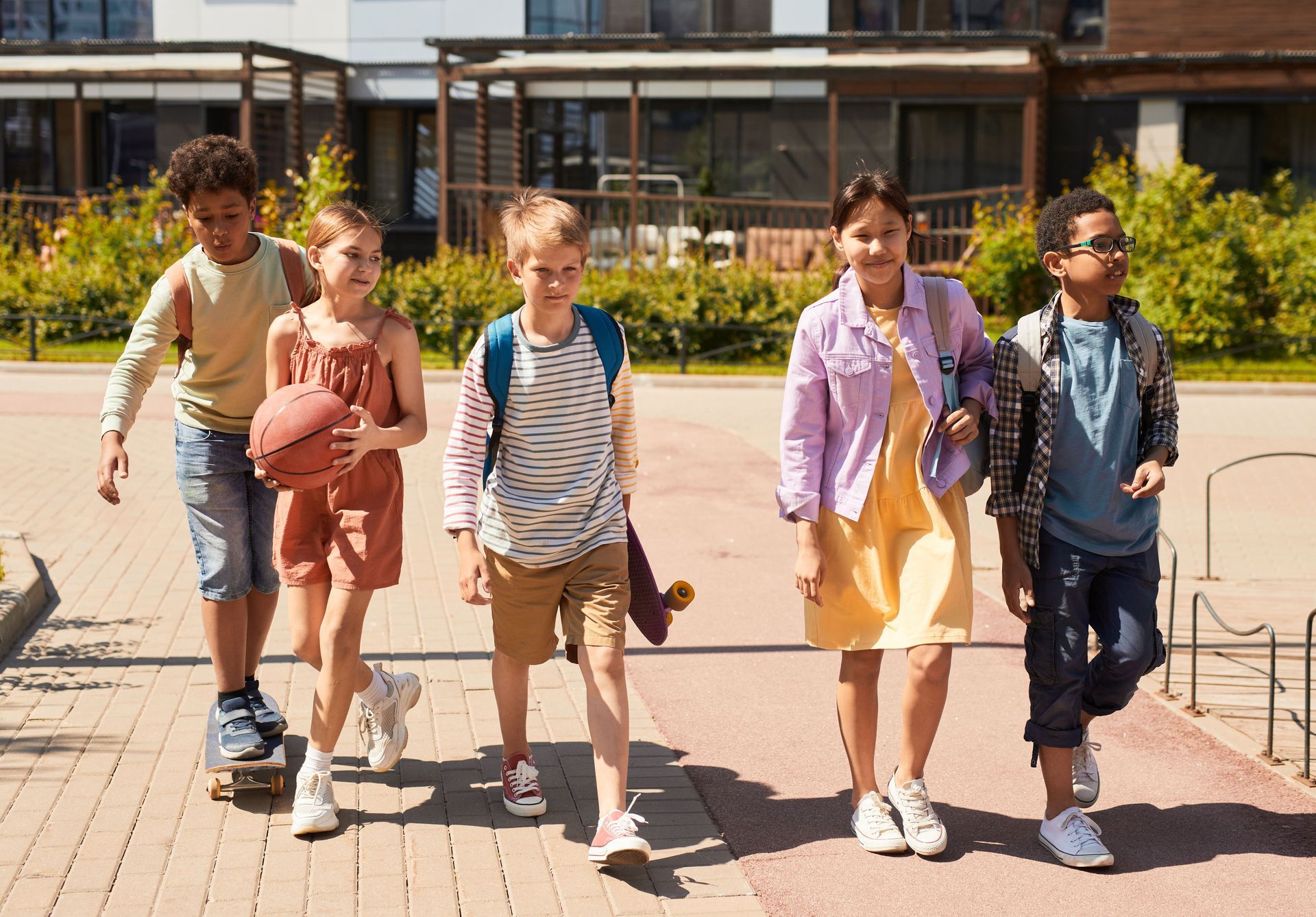
We walk. We pick kids up from school and walk back to the gym, every day, in every season. There's no bad weather, only bad clothing. That walk is a reboot between school and everything after. Kids take turns leading the line, race to the next corner, and catch up with friends who weren't in their class. Our coaches learn more about how a kid's day went on that walk than any form could tell us.
We get outside. As much as humanly possible. Fresh air, dirt, sunshine, cold cheeks. Kids belong outside.
We give them free choice. Unstructured, kid-led, good old-fashioned free play. Nobody hands them a schedule for every minute. They decide what to play, who plays, and what the rules are.
We let them work it out. This is where the social-emotional magic happens. When the game falls apart because two kids want to be "it," we don't swoop in. We ask, "What did you say to her?" Then we give them the words if they need them and send them back to try. They negotiate. They compromise. They get their feelings hurt, and they get over it. That's how empathy and leadership actually grow. You can't teach it on a worksheet. They have to live it.
This is how most of us grew up: outside until the streetlights came on, figuring things out with whoever was around. It worked. We're not doing it because it's nostalgic. We're doing it because it's what kids need, and they're getting less of it every year.
What the partnership looks like this week
You don't need a meeting with all three parties to make this work. Start small.
Pick one rule and say it everywhere. Find out the language your child's teacher uses for a problem behavior and use the same words at home. Tell us too, and we'll match it.
Share the good news. When your kid does something great at home, tell the teacher. Tell us. We'll mention it. Nothing builds a kid up like hearing an adult they didn't expect bring up their win.
Back each other up. If you disagree with a consequence from school or from us, have that conversation adult-to-adult, not in front of your child. A united front isn't fake. It's how kids learn the rules are real.
Call, don't email. Tone doesn't survive email. A five-minute phone call will sort out what a ten-message thread never does.
Ask about the quiet one. Every so often, ask your child's teachers and coaches, "What do you see that I might not?"
We're all on the same team here. Your child is the lucky one who gets all of us.
Do good and keep your head up.

Michele Kelber is the founder of Gantry Kids & Teens in Long Island City and the author of How Not to Ruin Your Kids: A Practical Guide to Raising Happy, Independent, Equipped Children. Our after-school program picks up where the school day leaves off — outdoor time, movement, and unstructured play, from two to five days a week. Learn more about after-school at Gantry Kids or get in touch with questions about enrollment.